Southern California rewards hillside living with views, breezes, and privacy. It also tests construction with expansive clays, seasonal rains, irrigation overspray, and seismic movement. On these slopes, a retaining wall is never just a stack of blocks. It is a system that manages water, stabilizes soil, and protects property value. At Ridgeline Outdoor Living, we design and build these systems every week across Los Angeles. The work is part engineering, part craft, and part stewardship of the land.
Why hillsides move, and how we respect that
A slope wants to flatten. Gravity, water, and vibration slowly push soil downhill. When winter storms arrive after a dry season, desiccated clay swells, perched groundwater pockets rise, and a trickle becomes a sheet flow along a hardscape edge. The first signs are subtle: a hairline crack in a CMU wall, a leaning fence post, a patio corner that never quite drains. Left alone, minor distress invites bigger problems.
Our approach starts by accepting that we cannot bully a hillside into submission. We guide water into controlled paths, tie the wall into stable ground, and choose materials that tolerate movement. Done right, a retaining wall improves more than safety. It unlocks usable terraces for dining, a compact outdoor kitchen, or even a small fire pit zone suitable for entertaining year round. Many of our hillside projects become the anchor for broader upgrades, from drought tolerant plantings to low voltage lighting that highlights the slope after dark.
What we look for during a site assessment
Before anyone talks materials or colors, we walk the property with a level and an open notebook. In Los Angeles, one block can change soil type, microclimate, and drainage behavior. We verify lot lines, easements, and neighbor tie-ins. We check for existing utilities. If a wall failed, we ask why, then test the theory with simple field observations: trenching a few feet to see soil strata, probing for moisture bands, watching how water moves from a hose test. Two hours onsite often saves weeks later.
We pay close attention to clay content. High plasticity clays shrink and swell through the seasons, prying apart rigid footings. Sandy slopes drain well but can ravel when disturbed without protection. Many hillsides hold a silty mix that shifts with both water and vibration. Seismic risk matters too. Even a short wall should be tied into competent bearing layers when the ground accelerates.
Tall walls need more than mass
A gravity wall relies on its own weight, but weight alone has limits. In our market, the moment a wall approaches 3 to 4 feet and retains a slope above, you should assume reinforcement will be required. Segmental retaining walls with geogrid create a composite mass that wraps soil and block into one coherent structure. Where the footprint is tight, such as along a property line or a driveway turn, we use tieback anchors or soil nails to transfer loads into stable ground behind the working face. Drilled pier and grade beam systems shine on steep lots with soft surficial soils sitting over firm layers a few feet down. There is no one-size answer. The site chooses the wall.
Water drives every decision
Water management makes or breaks a hillside project. The front of a wall only shows the craft. The back shows the wisdom. We over excavate, then rebuild with clean angular backfill and clear paths for water to escape. Perforated drain pipe at the heel of the wall, wrapped in fabric and bedded in gravel, prevents hydrostatic pressure. We discharge to a legal outlet, never at a neighbor’s fence. In a surprising number of homes, the downspout on the uphill side empties directly into the retained soil. Rerouting roof runoff into solid pipe around the wall is simple and powerful.
French drains are often misunderstood. They work well for intercepting sheet flow or shallow groundwater before it reaches the wall. They do not fix a poorly seated footing or compensate for sloppy backfill. Used correctly, a French drain becomes part of a layered defense: surface grading, impermeable hardscape edges, a collection trench, and a clear discharge route to the street or a drywell designed for your soil percolation rate.
Engineering, permits, and inspections in Los Angeles
Most retaining walls higher than 4 feet from footing to top, or any wall supporting a surcharge such as a driveway or building, require engineered plans and permits. Hillside properties often fall under additional scrutiny with geotechnical reports. During plan check, expect questions about global stability, not just wall face pressures. A civil or structural engineer will specify bearing values, embedment depth, drainage, and reinforcement. Where slopes exceed certain thresholds, the city may ask for a soils report with borings or test pits.
Our team coordinates with your engineer and expediter so the design marries buildability and code. We welcome third party special inspection for rebar placement, concrete, and anchoring, because good documentation protects the owner. On a typical project, you can expect three to five inspections: forms and steel, subdrain and backfill setup, concrete pour, and final sign landscaping guides off. When tiebacks or soil nails are involved, add proof and performance tests.
Choosing the right wall type for your slope and goals
A hillside wall is a balancing act among site geometry, aesthetics, budget, and maintenance. Here is how we think through the main families.
- Segmental retaining wall with geogrid. Stacked concrete units lock together and rely on layers of geogrid extending back into the slope. They are fast to build, modular, and attractive. They require enough room behind the face for geogrid lengths, typically 60 to 100 percent of the wall height depending on loads. We like them for 3 to 10 feet of retained height in residential settings, where plantable terraces soften the look. Cast in place or CMU with reinforcement. A continuous wall on a footing takes a crisp stucco or stone veneer finish and fits modern architecture. It excels in tight corridors where we cannot extend geogrid. Proper drainage and weep details are non negotiable on this system. Movement joints should be planned and executed, not left to chance. Drilled pier and grade beam. Where the near surface soils are weak or expansive, we drill to stable material and tie a beam across piers. This system handles seismic and differential movement well and uses less excavation outside the wall line. It suits narrow side yards and property lines. Tieback or soil nail walls. When we need to hold steep cuts with minimal footprint, ground anchors or nails engage deeper, stronger soil. Shotcrete faces can be shaped and dressed with stone or panels. Expect more engineering, testing, and inspection, but the performance is excellent in constrained sites. Timber. Attractive when new, wood has a short lifespan in our climate and fares poorly with termites and moisture. We rarely recommend it for anything other than very low garden edging, and even then, concrete or masonry usually outlasts wood with similar visual warmth when detailed correctly.
Building in layers, not shortcuts
The sequence matters as much as the components. We strip organics, bench the slope in steps, and maintain a safe working platform. Compaction happens in lifts with verifiable moisture control, not just by feel. We stage materials to avoid loading the edge of the excavation. If rain threatens, we protect open cuts with plastic and berms, because one storm can undermine a week’s progress.
When a client asks how long a wall will last, the truthful answer is that the lifespan reflects the buried details: clean stone behind the face, filter fabric at the soil interface, positive drainage to daylight, and a footing keyed into stable ground. A well built segmental or CMU wall in Los Angeles should serve for decades. Many of the failures we replace show the same sins: no drain, poor backfill, or irrigation heads watering the back of the wall daily.
A short checklist homeowners can use before calling
- Look for cracks wider than a nickel or new stair stepping in masonry. Note leaning or bulging beyond plumb lines, even by an inch over a few feet. Watch water during a hose test, and record where it ponds or disappears. Photograph changes after rain events to compare over time. Gather any old permits, plans, or soil reports to speed design.
Integrating walls into outdoor living, not fighting them
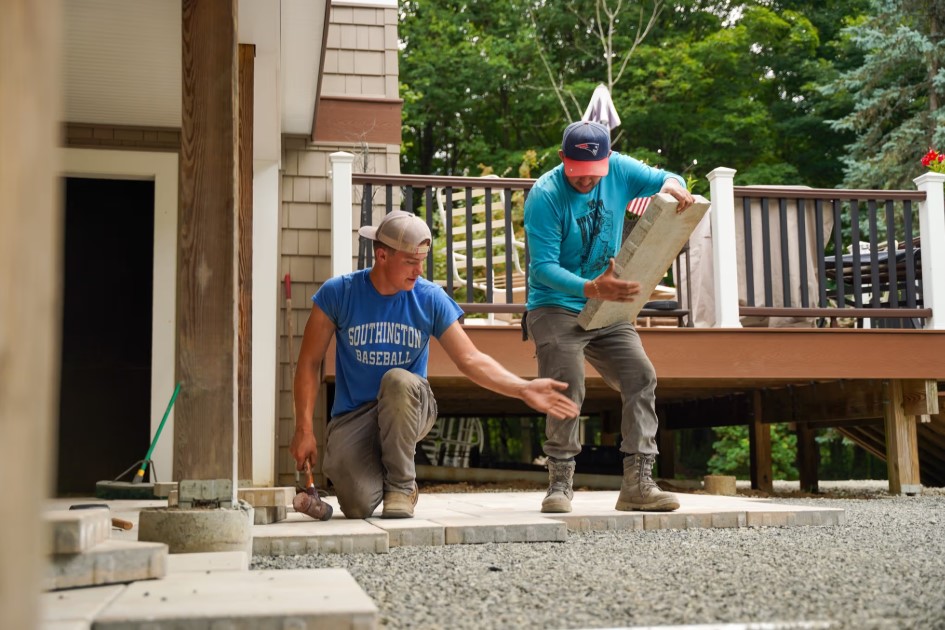
A hillside wall is rarely a stand alone element on our projects. We often pair it with a paver patio that steps out from a sliding door, then transitions to stone treads up the slope. In neighborhoods where driveways tilt, a low wall with integrated planters can widen a parking pad and improve curb appeal without heavy grading. Thoughtful lighting along the face and on stairs makes the space usable after sunset. A compact fire feature tucked into a terraced nook transforms a previously unusable slope into a gathering spot for shoulder seasons.
Homeowners sometimes ask whether to keep a stamped concrete patio or switch to pavers when reworking a hillside. We explain the trade. Pavers flex and allow selective repairs if a small area settles. Stamped concrete delivers a monolithic look but can crack with movement. On slopes where subgrade conditions vary, we lean toward pavers. When the home architecture calls for smooth planes, we design joints and base conditions to protect a poured surface.
Planting and erosion control that work in a drought
Vegetation stabilizes slopes by shielding soil from raindrop impact, slowing runoff, and sending roots through the upper layers. In Los Angeles, drought tolerant plants are not just responsible, they are practical. We specify a mix of deep rooted shrubs and groundcovers rather than a single monoculture of grass. California buckwheat, toyon, ceanothus, and manzanita handle heat and need little water once established. On the face or terraces, creeping rosemary, lomandra, and dwarf myoporum knit the surface without heavy biomass.
Irrigation deserves equal attention. Drip lines with pressure compensating emitters avoid overspray onto walls and minimize erosion. A weather based controller reduces unnecessary watering in winter. Mulch choice matters too. Coarse wood chips can float on steep slopes during storms. Shredded fir, mixed with a tackifier when needed, stays put better and feeds the soil over time. In the first year after construction, we visit to adjust irrigation and confirm plant health, because a living slope supports the structure behind it.
Drainage beyond the wall
Solving a wall is half the drainage story. Many hillside homes also suffer from poor yard drainage. Low spots at the base of stairs, a planter that catches gutter flow, or an old clay drain broken Los Angeles landscape companies by roots can send water toward foundations. We fix these with surface grading that clearly directs water, area drains that collect inlets, and, where appropriate, French drains that intercept subsurface flow. A yard need not be flat to be dry. It needs a path for water. When a client complains about a musty smell in a lower level or recurring efflorescence, our camera often finds a simple culprit: roof water tied into an undersized, clogged line. Rerouting to a larger solid pipe with cleanouts cures more headaches than any interior remedy.
Realistic cost ranges and what drives them
Homeowners deserve straight talk about budgets. Retaining wall costs in Los Angeles vary by access, height, wall type, reinforcement, and finish. For planning purposes:
Business Name: Ridgeline Outdoor Living
Address: 845 E Walnut St, Pasadena, CA 91101, United States
Phone: (626) 469-5822
Ridgeline Outdoor Living
Ridgeline Outdoor Living is a Pasadena-based landscape design-build company serving Greater Los Angeles with custom outdoor living, hardscape, and drought-tolerant landscape solutions. The company specializes in patios, retaining walls, outdoor kitchens, drainage, hillside projects, and turnkey landscape construction, handling projects from design and permitting through final build and warranty.
845 E Walnut St, Pasadena, CA 91101, USA
Business Hours:
- Monday – Saturday: 8:00 AM – 6:00 PM
- Sunday: Closed
Follow Us:
- A 3 to 5 foot segmental retaining wall with geogrid and proper drainage often falls in the 120 to 220 dollars per square foot of face area range, including excavation and backfill. Better access and simpler layouts sit at the low end. A reinforced CMU wall with stucco or stone veneer, footing, steel, and drainage typically runs 180 to 320 dollars per square foot of face area. Tight access, deep footings due to poor soils, and high end finishes push costs up. Drilled pier and grade beam systems vary widely due to drilling depth and diameter. On many residential hillsides, budgets of 300 to 500 dollars per square foot of face are common when piers reach competent material beyond 6 to 10 feet. Tieback or soil nail walls add engineering and testing. Residential projects can land anywhere from 400 dollars per square foot and up, depending on anchor count, proof loading, and facing treatment.
Soft costs matter too. Engineering, permits, soils reports, and special inspections can add 10 to 20 percent. In return, you receive a design that stands up to review and a record that aids resale. We caution against chasing the lowest bid if it deletes drainage or geogrid to win on paper. A wall that fails costs three times to replace, and sometimes more when damage extends to hardscapes or neighbor property.
Timelines and phasing that respect your home life
Construction on a hillside can be disruptive if not managed well. A typical 50 to 70 linear foot wall at 4 to 6 feet high, with good access, takes three to five weeks from mobilization to final cleanup. Add time for permitting and plan check before that, often four to eight weeks depending on city workload and whether a soils report is needed. When access is limited to narrow side yards or crane lifts, production slows and staging requires more coordination. We sequence work to keep your driveway functional as much as possible, and we pre order long lead items like veneer stone so finishes do not delay backfill.
Two case stories from recent builds
On a Silver Lake property, a 6 foot tall old railroad tie wall leaned 8 inches at midspan. The client had tried adding posts and deadmen over the years. The real problem was water and decay. We removed the ties, benched the slope, and installed a segmental wall with 2 layers of geogrid in the lower half and a third in the upper zone due to a driveway surcharge above. The backfill was 12 inches of clean stone wrapped with non woven fabric. We rerouted two downspouts away from the retained soil and added a solid 4 inch outlet to the curb with a pop up emitter. The client later added a small paver patio and a steel pergola on the upper terrace. Two winters later, the wall reads plumb, and the rosemary along the face drapes just enough to soften the geometry.
In the Hollywood Hills, a narrow lot demanded a different tool. The owner needed to carve 8 feet into a slope to create parking behind a new gate. There was no room for geogrid, and the neighboring property line sat 3 feet behind the planned wall. We worked with the engineer on a drilled pier and grade beam design with piers at 6 foot centers into decomposed granite. The face received a smooth stucco to match the home, and weep slots were hidden behind a continuous steel reveal near grade. The entire cut was stabilized and concreted within a week to limit exposure, then backfilled in controlled lifts. In a recent rain, water exited the designed outlets cleanly, and the owner finally parks off the street without a daily parallel parking dance.
Safety, inspections, and what quality control looks like in the field
You cannot see most of a wall once backfilled. That makes transparent quality control essential. We document compaction lifts, drain pipe slopes, and tieback capacities. For reinforced walls, we measure rebar cover and lap lengths. We shoot elevations on footing bottoms to confirm embedment. When inspectors arrive, we welcome them with organized plans and photos. Homeowners often tell us this is the first time a contractor made inspections feel easy rather than intimidating. Good paperwork mirrors good work in the dirt.
Maintenance that pays off
A well designed wall needs little attention, but not none. Clean outlet grates once or twice a year, particularly after leaf drop. Adjust irrigation to keep water off the back of the wall. Watch for burrowing pests if you live near open space, as their tunneling can create voids in backfill. Note any new cracking or bulging and call early. Most small issues are easy fixes when caught quickly, such as reseating a single paver or repairing a localized erosion spot at a downspout splash.
Pairing structural work with value adding improvements
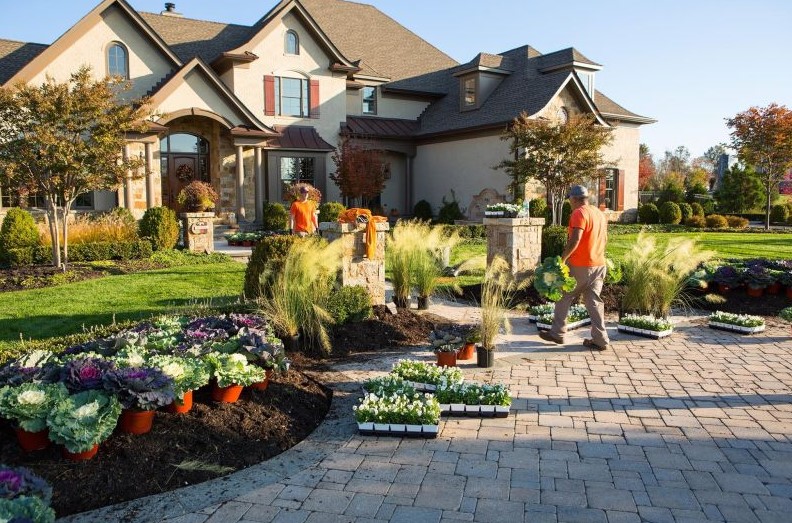
Once the hill is stable, most clients take the opportunity to refine the rest of the yard. Terraced planters with native and Mediterranean species reduce water demand and look right in our climate. A compact outdoor kitchen on a stabilized patio changes how the family uses the space, and costs are more predictable when the slope already manages drainage well. Low glare path lights along terraced steps draw the eye into the garden at night, and a simple, safe fire bowl on a gravel pad creates a quiet corner to unwind. These features, when planned with the wall, feel integrated rather than tacked on. They also tend to appraise well, because buyers value usable outdoor rooms more than raw grade.
If you are comparing turf options on a slope, artificial turf has the edge over sod for erosion control and water savings, provided the base and drainage are built correctly. On very steep faces, we prefer native plantings to turf of any kind, since gravity will slowly pull even synthetic systems downhill. Flat terraces and gentle slopes handle turf well.
When to call in a geotechnical engineer
Most residential walls in the 3 to 8 foot range can be designed with published soil values and standard details, provided the site behaves predictably. When we see deep cracking beyond the immediate wall zone, old slides, seepage that persists into summer, or nearby structures within one wall height of the face, we recommend a geotechnical report. The cost upfront, often a few thousand dollars, buys clarity on bearing capacity, friction angles, and potential global stability issues. It often saves money by preventing overbuilding or by revealing that a particular solution, like a short grid length or a thinner beam, is adequate based on tested soils rather than conservative assumptions.
A transparent, step by step process clients can expect
Site walk, measurements, and preliminary drainage study. Concept options with ballpark budgets, then selection of a path that fits goals and constraints. Engineering, permit submittal, and any required soils work, with our team coordinating replies to plan check comments. Construction in defined phases, with scheduled inspections and documented milestones. Final walkthrough, maintenance briefing, and a check in after the first major rain.What sets a durable wall apart, in practice
Durability is the sum of decisions you cannot see. Using angular, not rounded, drain rock so it locks. Wrapping stone and native soil in the right fabric so fines do not migrate. Sloping the drain pipe a minimum quarter inch per foot to daylight. Installing cleanouts, even if not required, so a future clog has an easy fix. Sealing stucco with breathable coatings that let vapor escape but shed bulk water. Breaking irrigation zones so plantings near walls receive just enough moisture, not the soaking that shrubs in open beds might enjoy. These are small choices, but they add up to a wall that outlasts fads and quick fixes.
What homeowners need to know before deciding
Retaining walls are infrastructure. They keep your yard safe, give you space to live outside, and protect adjacent improvements. Good walls are not cheap, and they should not be. If you are pricing a project, ask each bidder how they handle drainage, what backfill they use, and how they plan to discharge water. Ask about compaction testing and inspection strategy. Invite them to talk through access, staging, and what happens if it rains during construction. The specifics in those answers tell you far more than a glossy rendering.
When a hillside is treated with care and technical rigor, it pays you back every season. A stable terrace invites a morning coffee. A dry lower level smells like a home, not a basement. Plants thrive where water stays in the soil profile instead of pounding against a wall. That is the quiet reward of doing this work well.
If your slope is asking for attention, we are ready to walk it with you, tape measure in one hand and a shovel in the other. We will look, listen, and design a system that respects the hillside rather than fights it, so the land and your lifestyle both come out ahead.